

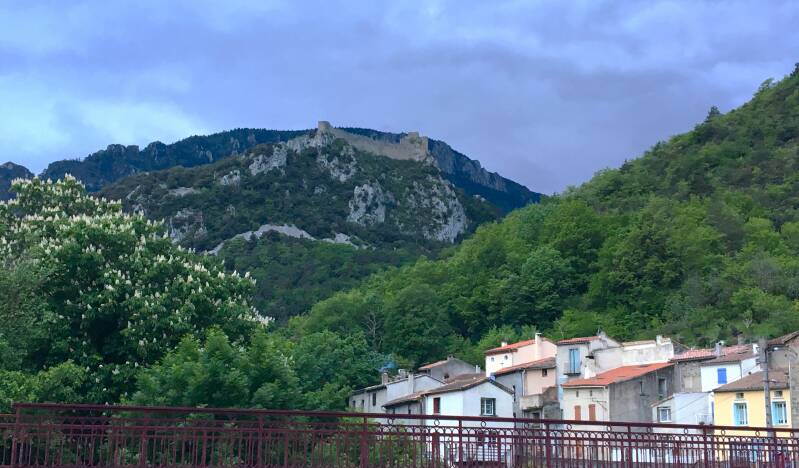
The Château de Puilaurens (Occitan: lo Castèl de Puèg Laurènç) in the distance, with the street of our cottage below.
"'What should I wear?' I asked my travel partner Annie as we set off for our afternoon excursion to fill the time after our main event of the day. 'Will we be walking in mud filled hills or strolling through the town?' Annie, with her comforting septuagenarian velvet voice, reassured me that we would simply be going for a drive and looking out the window, so no special clothing was required. After all, we had already climbed the mountain up to the Château de Puilauren, a must see for any visitor to the Aude region of southern France, easily visible from the road across from our tiny apartment.
As we passed through Saint Paul de Fenouillet, the only town in the region with a supermarket open later than midday, I wondered if Annie had forgotten the route. One trip down the left side of a divided road in the middle of town convinced me even further. 'Errr, the supermarket was back there,' I offered from the back seat, but it seemed Annie had other plans and began to ascend the hills, where the streets narrowed and the drop to the valley below grew steeper and more dramatic."
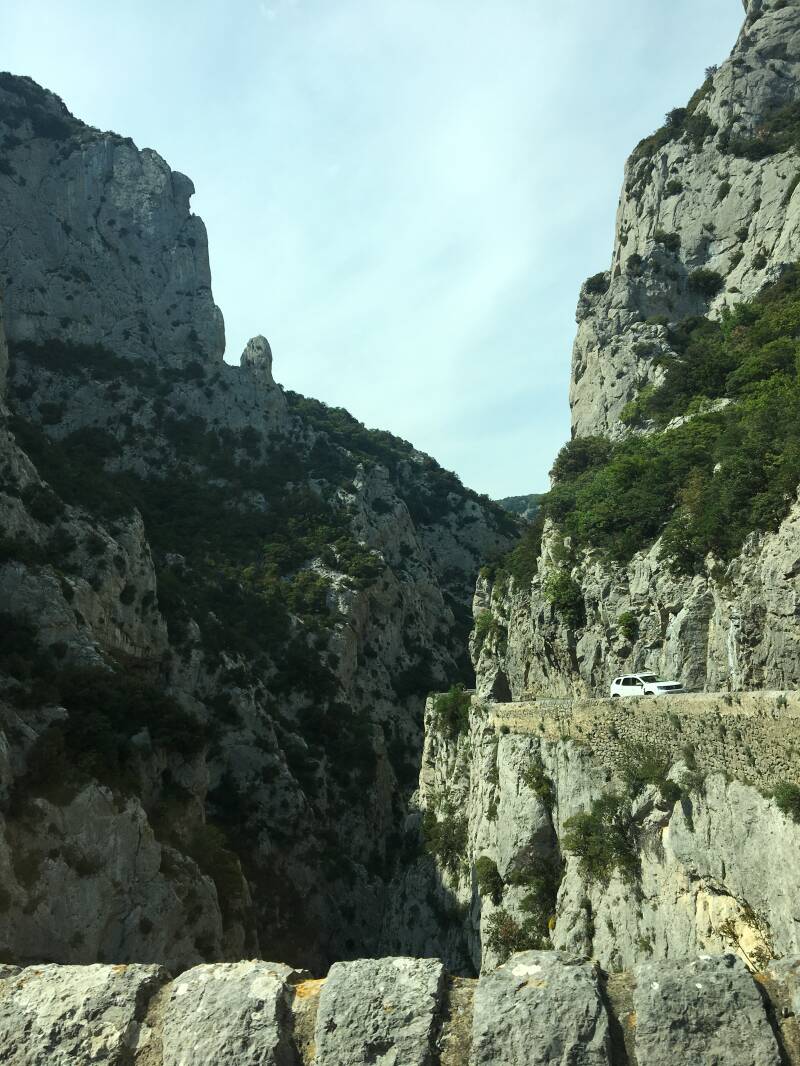
Looking backwards at the Galamus Gorges; single file only!
For those of you who like to scare yourselves silly, you may like to read these two websites, which show very realistically the what and where of the day:
http://www.dangerousroads.org/europe/france/2111-gorges-de-galamus.html
http://www.dangerousroads.org/europe/france/4467-balcony-roads-in-france.html
Here's an excerpt:
'In France there are a few balcony roads, which are hair-raising lanes cut into the sides of sheer cliffs. It’s a kind of road not for those who fear heights. There is little room for error on these roads. It's normal for your palms to sweat looking at those photos, imagine what it must have been like before the barriers.
Balcony roads are beautiful roads with stunning views. These tortuous routes should not be attempted by those who don't know how to reverse. Some of them are so narrow that if two vehicles have to pass each other, one vehicle might have to reverse for anything up to 3 kilometres of winding narrow road to get to a place wide enough to pass. There are not many roads like this in Europe, if you can handle the height and the prospect of a very long freefall this road absolutely has to be on the list of any road connoisseur.On the narrow balcony roads your wheels will be astounded at the wonderful view of the valleys spread out before you! They are terrible for drivers who are prone to vertigo. The balcony roads are carved into the mountainside. It’s incredibly disorienting to look over the edge, or even just to see the valleys a couple thousand feet below you. The roads cut along a cliff face where there is only a foot high wall separating you and a sheer, base jumps wet dream, drop to the valley below. They run as a single track road along the mountainside for some distance with nowhere to pass another vehicle. Here one says a prayer that nobody is coming towards you until the road widens a kilometre further.'
The picture used for this article depicts the scene we experienced exactly today. Annie appears to be a gentle type, but paradoxically, she loves to surprise and shock her travel partners. My first experience of this was when we got to meet the delightful Jean-Jacques and Dominique and experience their amazingly decorated house, garden, views and forthcoming gallery yesterday. Today, the experience was more about fear. Confidently but not recklessly, Annie drove around the narrow roads of gorges-de-galamus, which Carol and I (and the various pedestrians) wondered if were even made for cars. Did I tell you Carol and I are a tad scared of heights?
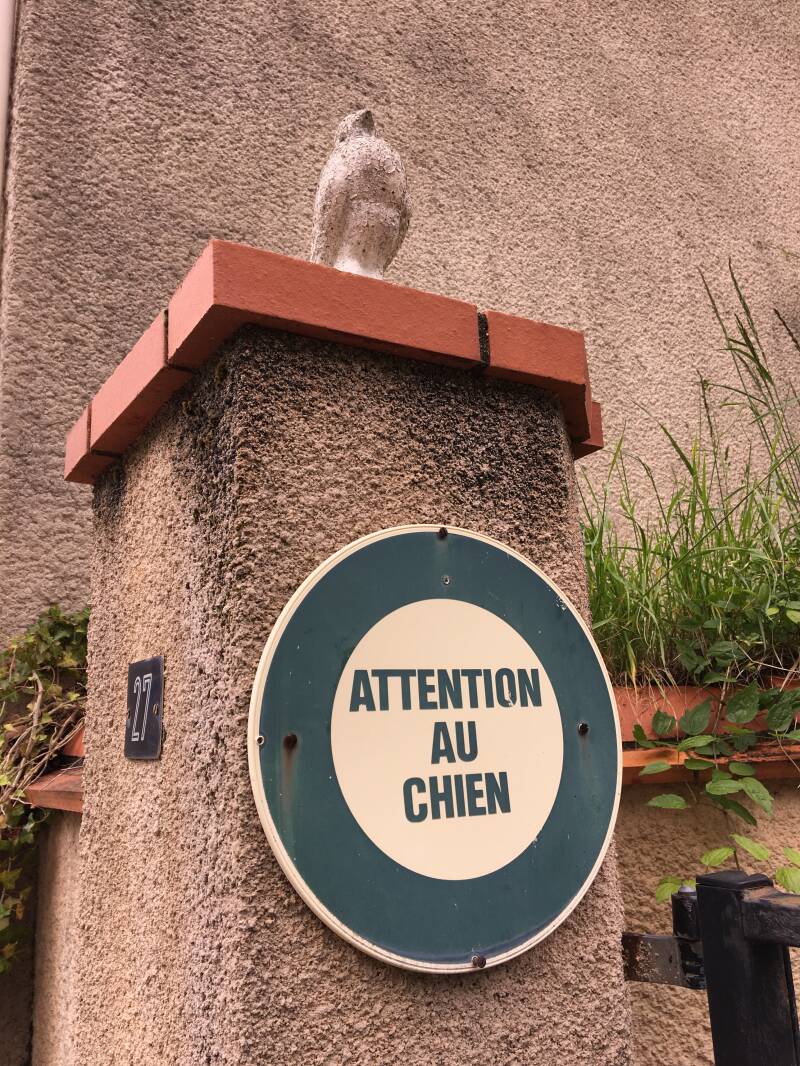
The familiar dog warning sign in South France.
The Château de Puilaurens (Occitan: lo Castèl de Puèg Laurènç) sat practically on our doorstep, perched above the little commune of Lapradelle Puilaurens in the Aude département. It was close enough to reach on foot from our tiny cottage in Lapradelle, owned by friends of Annie and Carol from Warrnambool in Victoria. So the three of us set out together to see one of the famous Cathar castles of the Languedoc, a place threaded with stories of refuge and resistance.
Along the way we passed a small church and cemetery with a rather grim past. The sign explained that martyrs had once been “grilled” there, which I sincerely hope is a generous French translation. Not far from it, a house suddenly erupted in a chorus of barking as about six beagles hurled themselves toward the fence. They seemed unsure whether to welcome us or warn us off, and we quickened our steps while maintaining what we hoped was a respectful air of calm.
The castle itself had belonged to the Abbey of Saint Michel de Cuxa before being acquired by the King of Aragon in 1162. That shift of ownership mattered during the Cathar wars. As Aragonese property, Puilaurens lay outside the territories ravaged by the Crusaders, which turned it into a sanctuary for people fleeing the violence. Cathars and faidits, those who had lost their property for opposing the invaders, climbed these same slopes. Among them were high nobles such as Guillaume de Peyrepertuse.
And yes, at last, the Château de Puilaurens was delightful to ascend and visit. Walking up the mountain with Annie and Carol, the history felt close at hand. The wind curled through the broken walls, the same wind that once greeted frightened travellers seeking refuge. From the top, the valley spread out in every direction, making it easy to imagine why this lonely fortress became a place to hide, a place to endure, and now a place for three visitors from Australia to pause and breathe in the view.
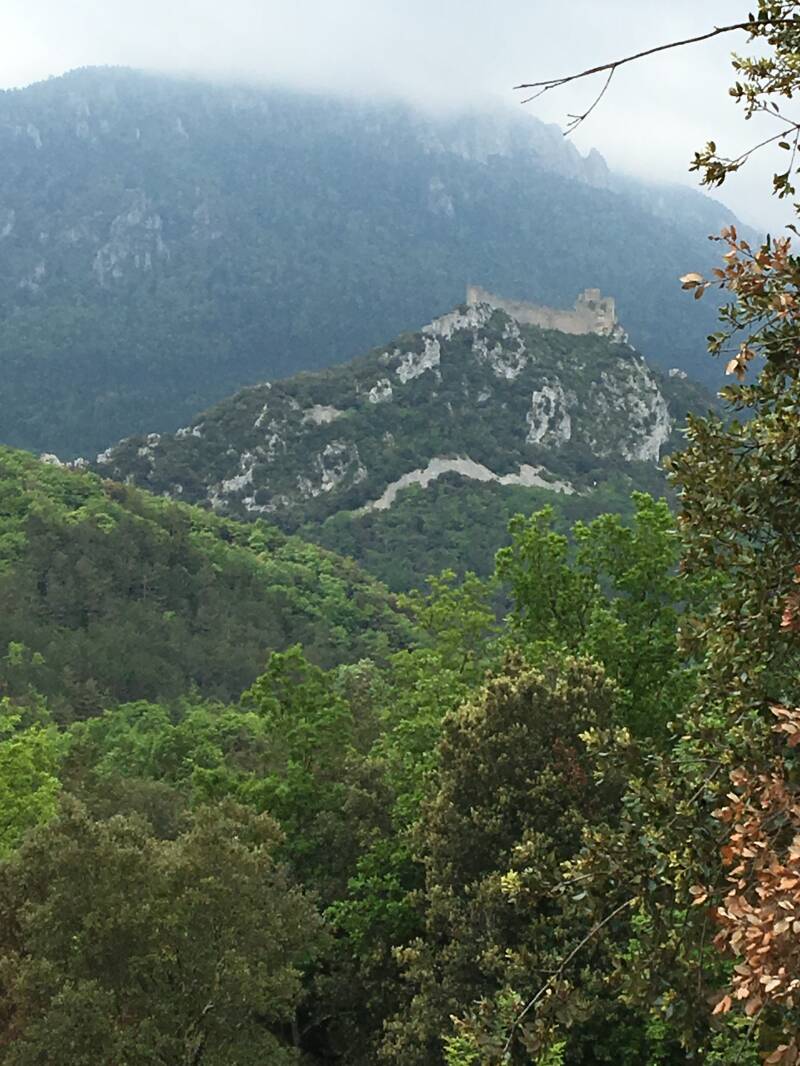
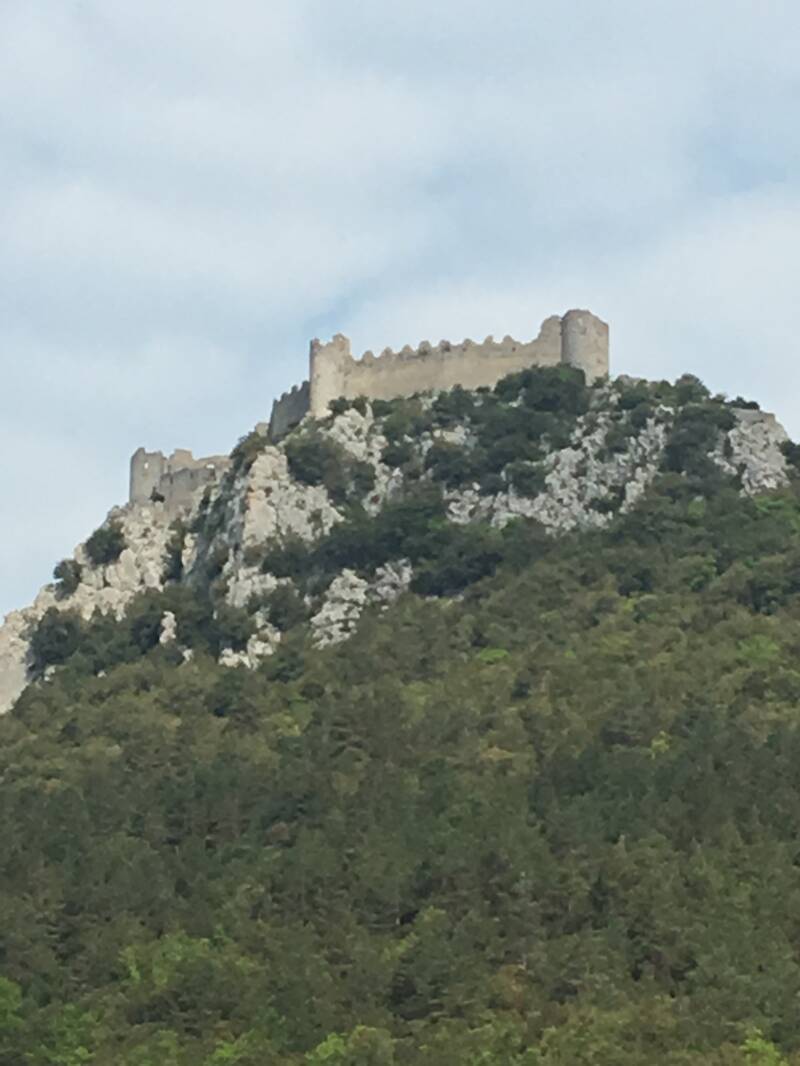
Château de Puilaurens (Occitan: lo Castèl de Puèg Laurènç) on a misty day.
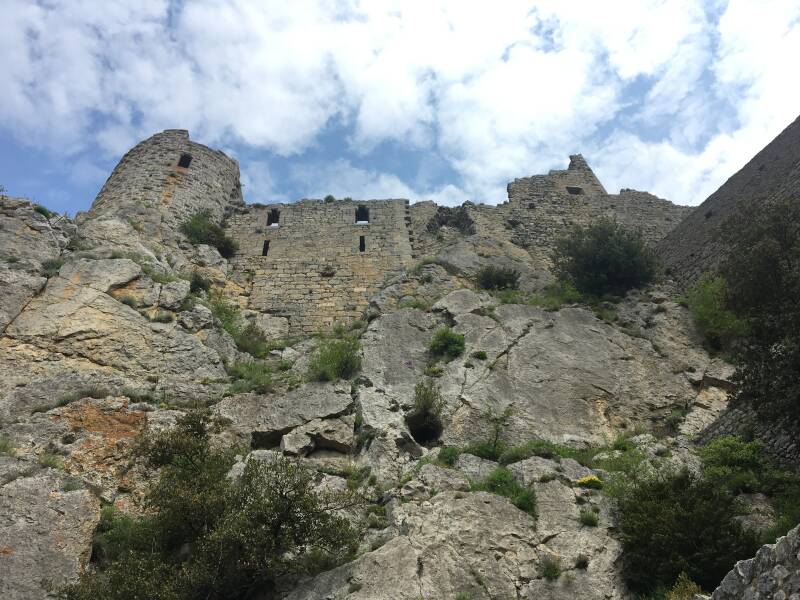
Nearly there; looking upwards towards Château de Puilaurens (Occitan: lo Castèl de Puèg Laurènç).
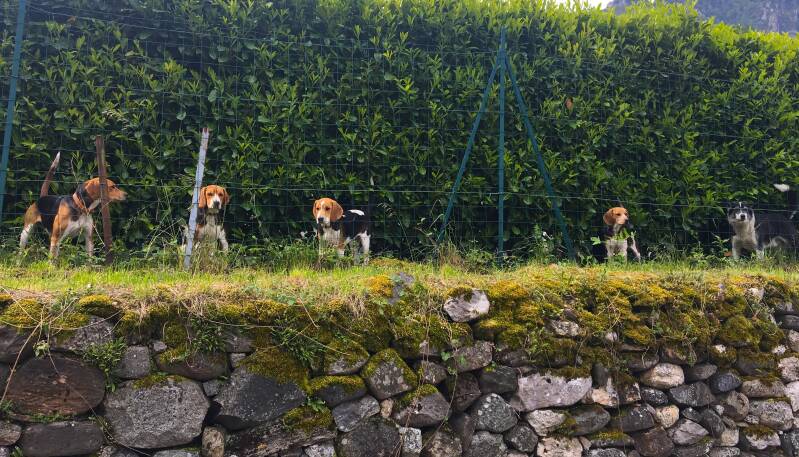
Beagles on our route to Château de Puilaurens (Occitan: lo Castèl de Puèg Laurènç).
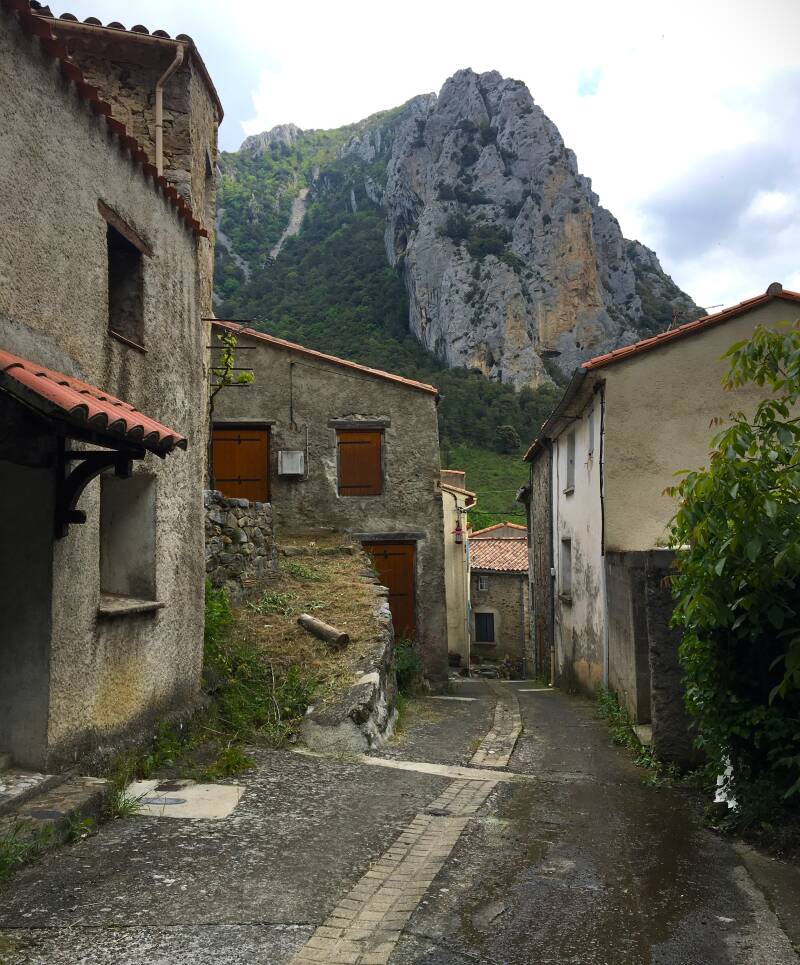
Local village road near Château de Puilaurens (Occitan: lo Castèl de Puèg Laurènç).
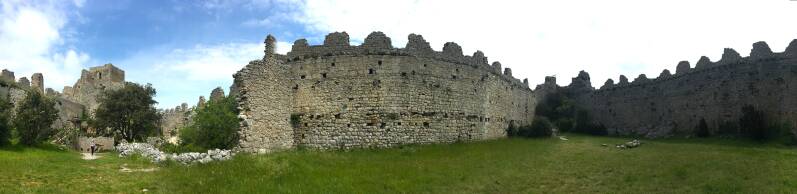
The walls inside Château de Puilaurens (Occitan: lo Castèl de Puèg Laurènç).
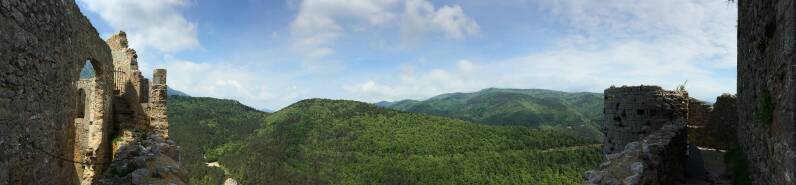
Looking down from Château de Puilaurens (Occitan: lo Castèl de Puèg Laurènç).
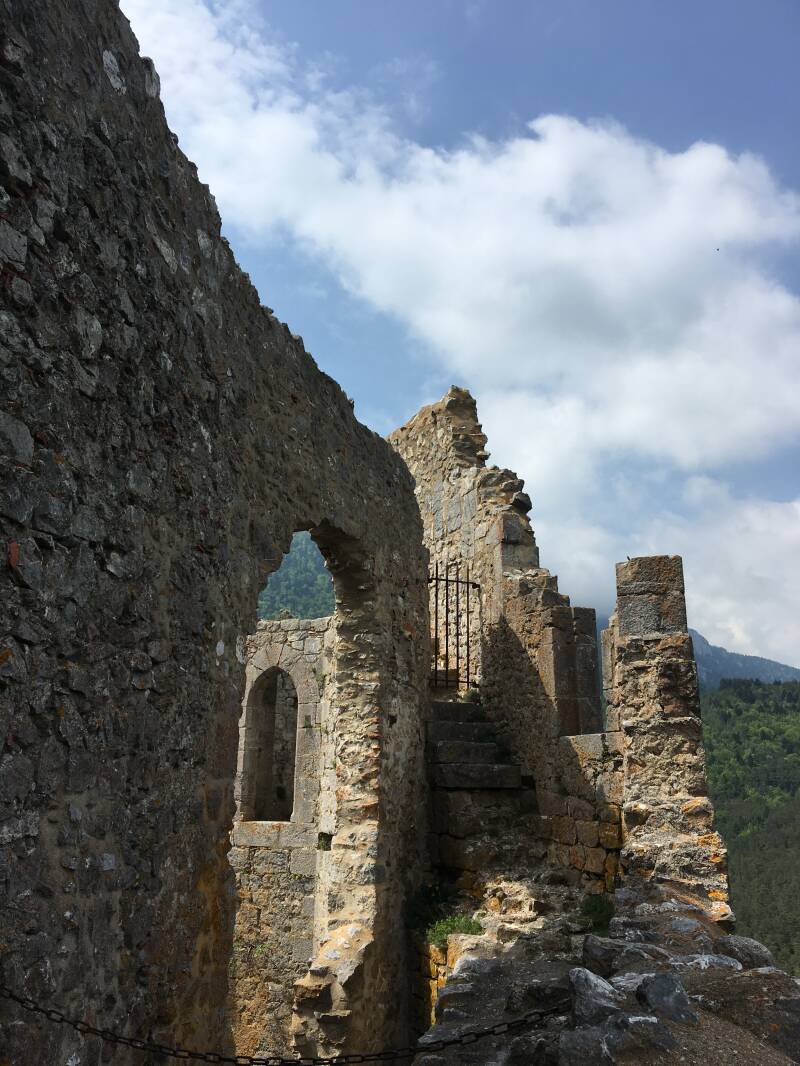
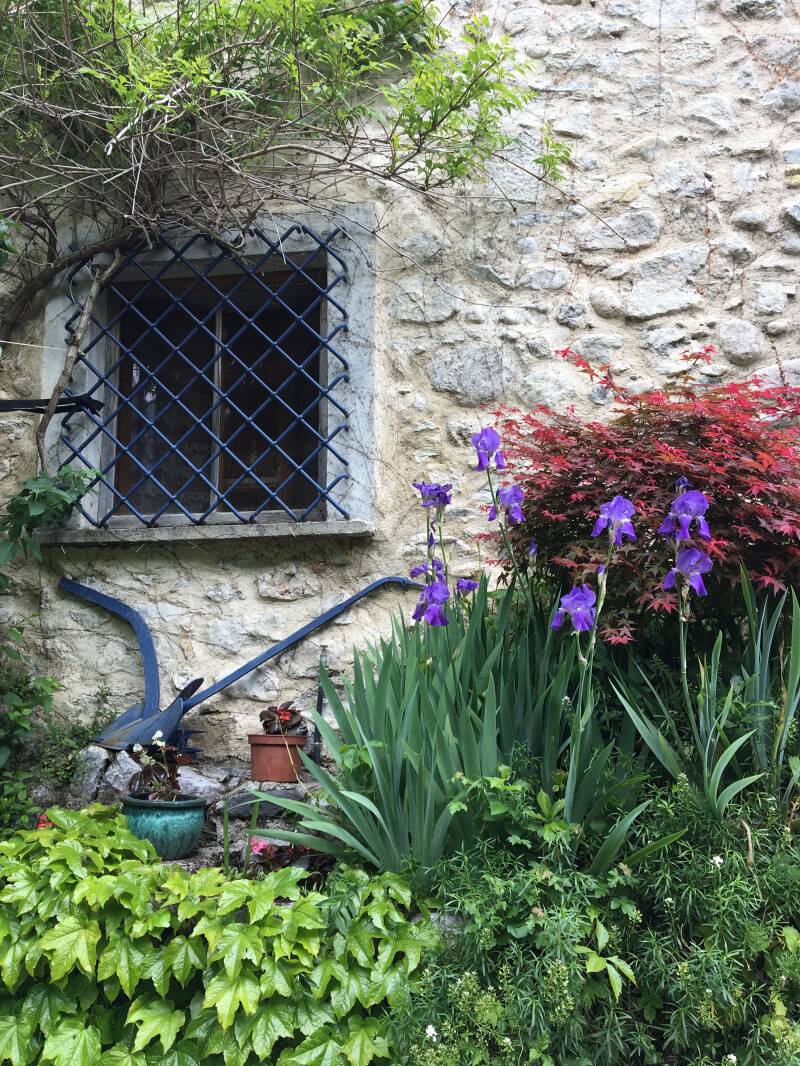
An old walkway around Château de Puilaurens (Occitan: lo Castèl de Puèg Laurènç) and a local house.
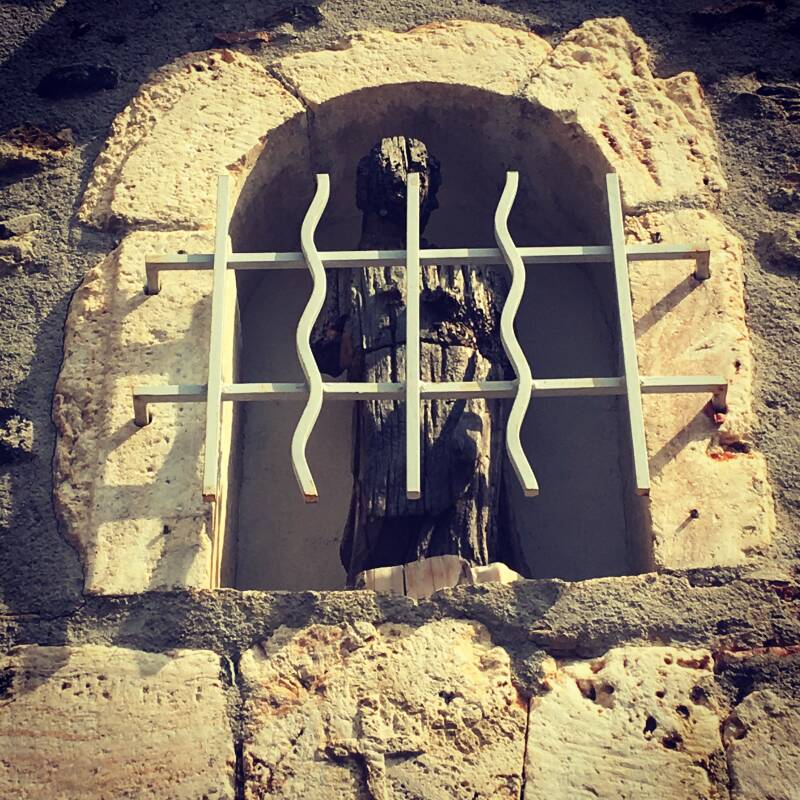
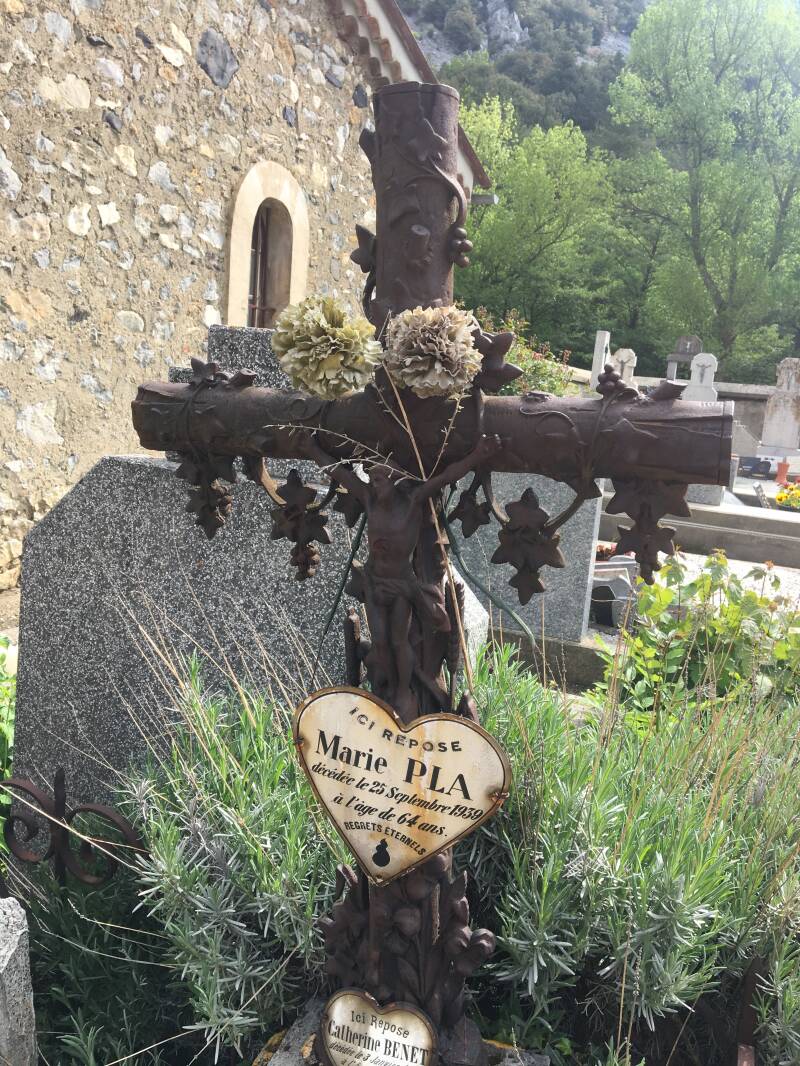
Views of a local church and cemetery near the Chateau.
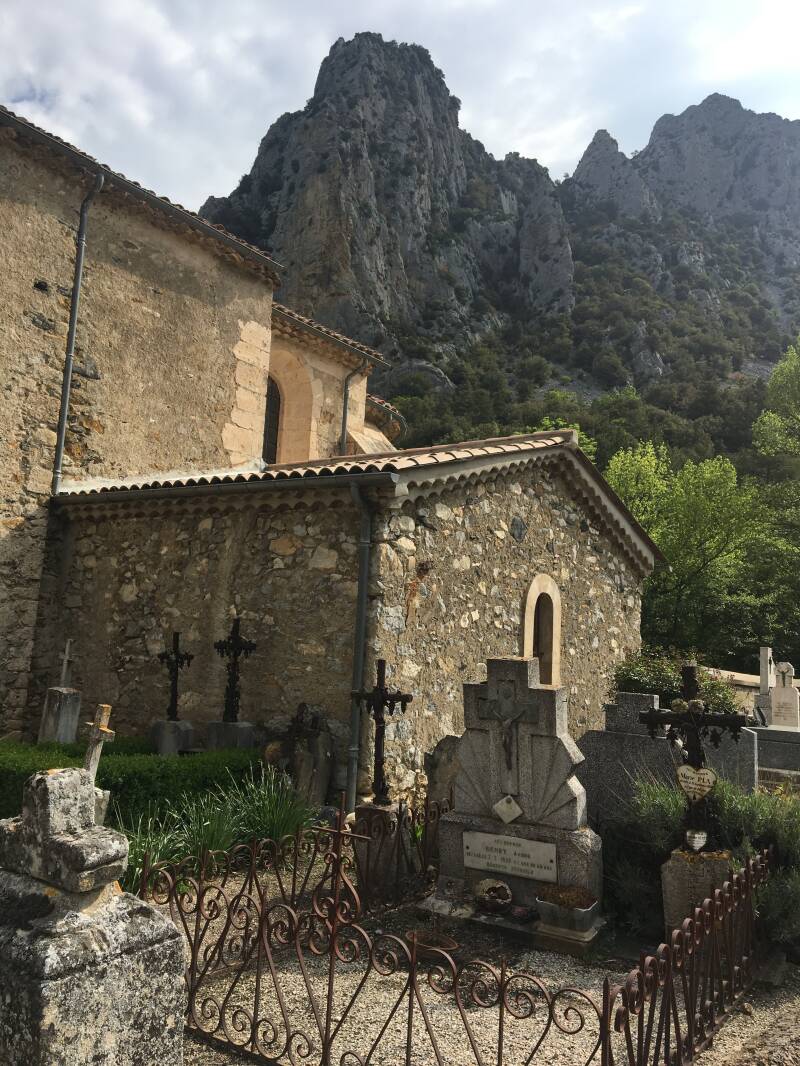
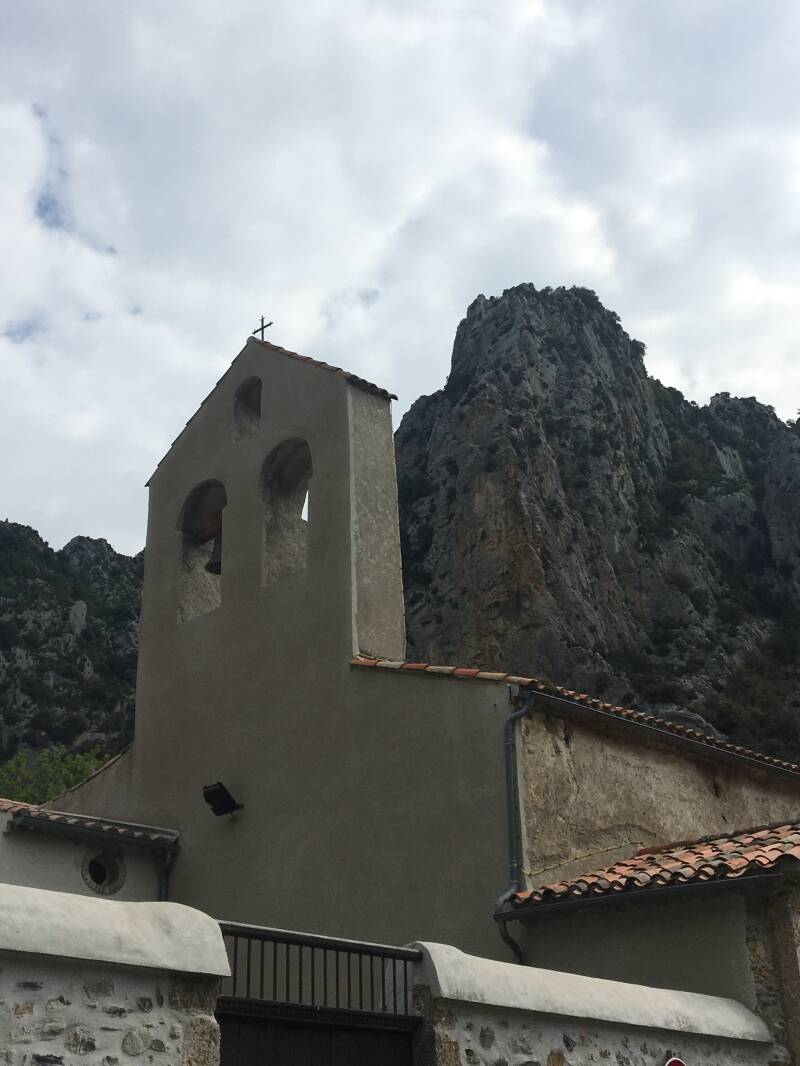
Eventually we'll stop pinching ourselves that we are everyday witnessing such timeless beauty, narrow laneway roads and a lifestyle so different to anything in Australia. In two days we head towards Arles, land of Van Gogh and flamingos. And next time Annie says we're going for a light stroll or picturesque drive, I'll pack extra underwear. Stay tuned.
Create Your Own Website With Webador